




Chronotus logo

First Playable Signal

PushGrid turns one clean swipe into a solution, a setback, or a locked route.

PushGrid is Chronotus' first game: a portrait, mobile-first puzzle prototype where boxes, goals, doors, holes, and traps turn every swipe into a meaningful commitment.

01

Single-player, chamber-based grid puzzle

Format

02

Mobile-first, portrait orientation

Platform

03

Swipe-driven room navigation

Control

04

One swipe can solve it or ruin it.

Promise

Portrait PrototypeSingle-player
SwipeUndoReset

Cause and Effect

Boxes, goals, and doors sit in plain view so the room communicates before it punishes.

Danger

A single wrong route can burn a crate, break sequencing, or leave the player trapped.

Recovery

Undo and reset stay available because iteration is part of the intended chamber rhythm.

Truthful Status

No release date, store page, soundtrack promise, or cinematic launch framing is shown yet. The honest pitch is a focused prototype with a strong ruleset and active iteration.

Feature Signal

  • 5 worlds / 50 handcrafted chambers
  • Readable cause-and-effect puzzle design

Featured Game

PushGrid is the first room where the studio shows its hand.

Chronotus' first game signal is not spectacle. It is a puzzle language built around readable state changes, visible risk, and compact rooms that stay tense because every move has a cost.

Portrait PrototypeSingle-player
SwipeUndoReset
In DevelopmentFirst Signal

PushGrid

PushGrid is a portrait, mobile-first puzzle prototype by Chronotus. Place the boxes, open the exit, and avoid locking your own route with one bad swipe.

mobile
View prototype statusIn-development prototype

Studio Thesis

A game earns tension when the player can explain exactly why the room went wrong.

Chronotus is starting small on purpose. PushGrid proves the studio thesis through chamber logic, fair failure, and a minimalist visual language that makes state changes readable before it makes them beautiful.

01

Read the board

Scan goals, hazards, doors, and the exit before committing to motion.

02

Commit the swipe

Move crates in the right order, from the right face, along the right route.

03

Open the exit

Fill every goal, satisfy the chamber state, and unlock the way out.

04

Recover cleanly

Undo, reset, or route around the mistake when the room punishes a bad read.

Design Principles

PushGrid tension is not hidden. It is staged in plain view.

01

Readable but dangerous

PushGrid tension comes from decision quality, not twitch speed. The room should read quickly, but the right answer should still matter.

02

Wrong, but fair

A bad swipe can break routing, waste a box, or expose the player to punishment, but the failure must always be fair and visible.

03

Recovery is designed in

Undo and reset are part of the puzzle loop. Recovery tools are not signs of failure, they are how players learn the chamber language.

Mechanic Stack

Simple room language, layered into harder choices.

Five worlds teach the grammar in layers: movement and order, stateful gates, resource spending, trap readability, then combined logic under pressure.

Layer 1

Movement and box push

The base grammar is simple: read space, push with intent, and preserve your own route.

Layer 2

Goal and exit logic

Goals and exits create the fundamental chamber objective and the final release condition.

Layer 3

Stateful gates

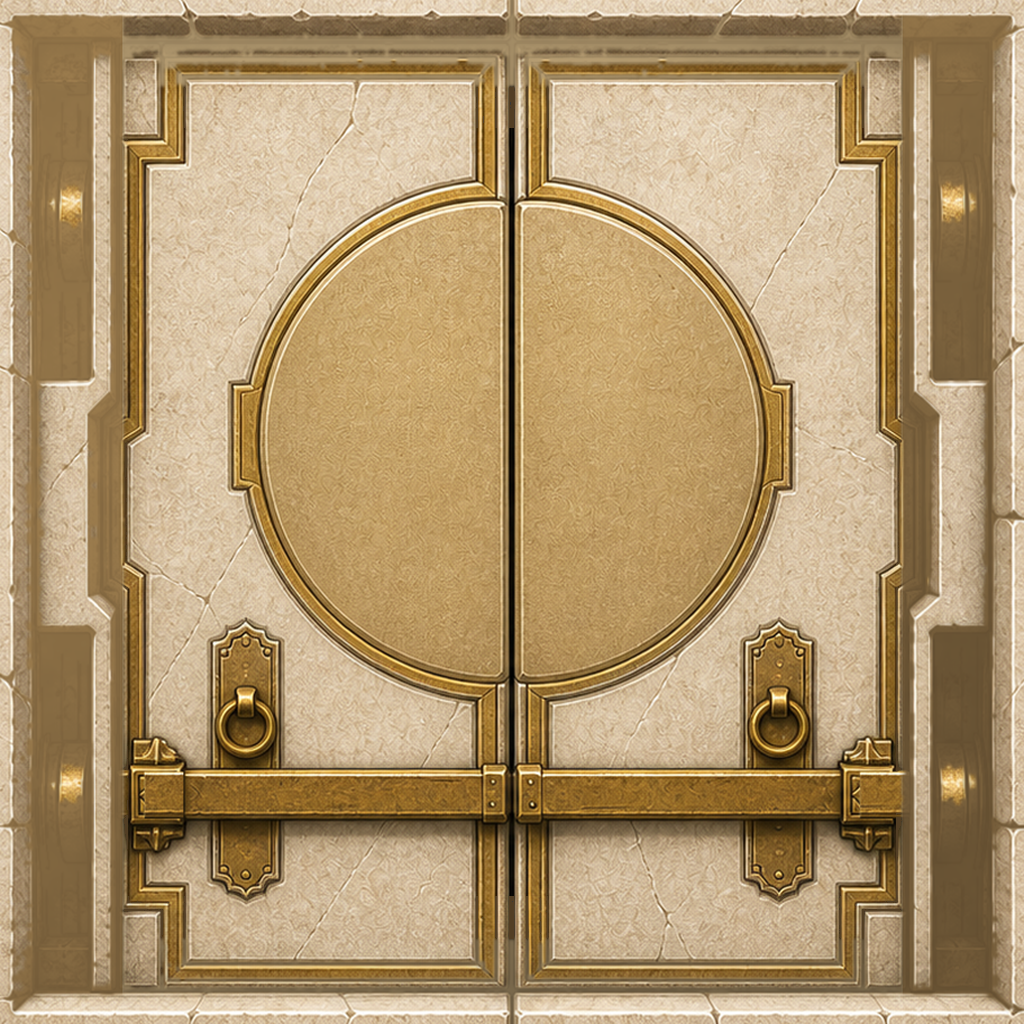
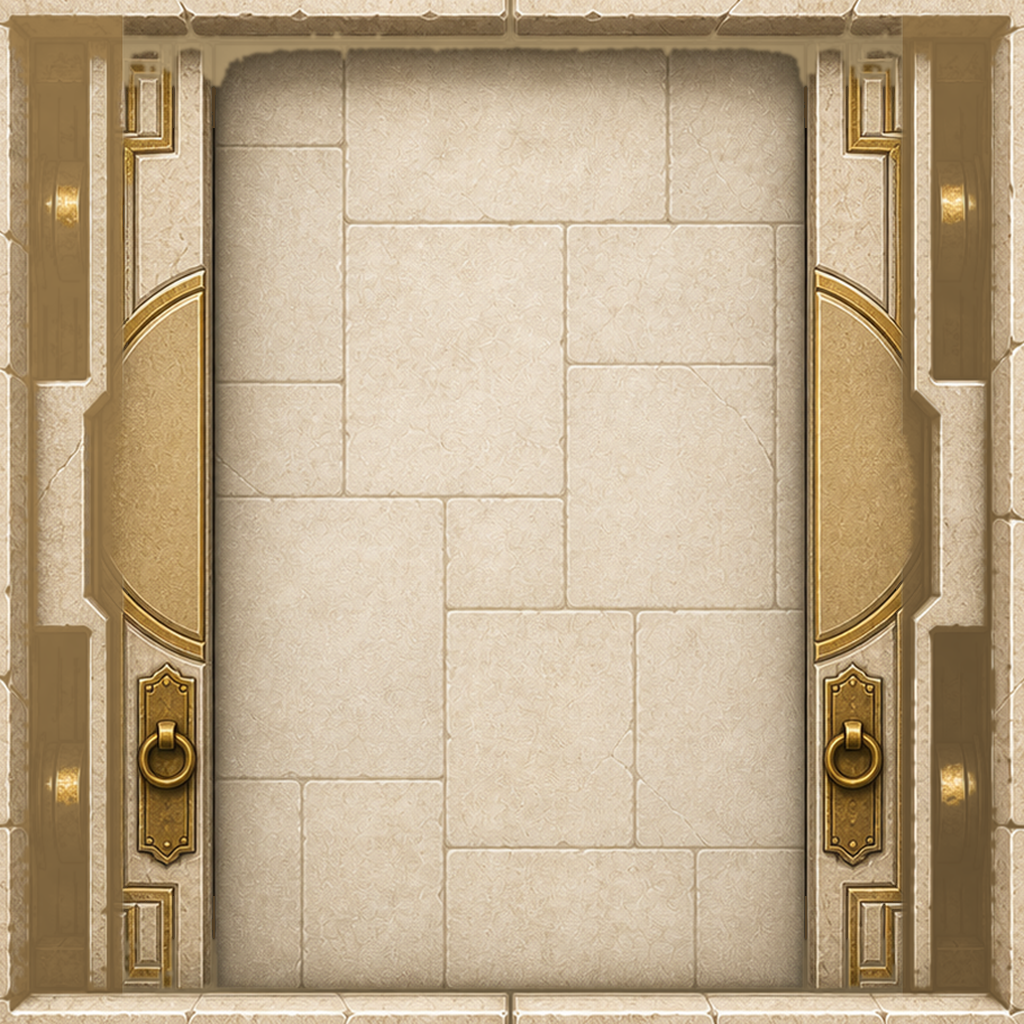
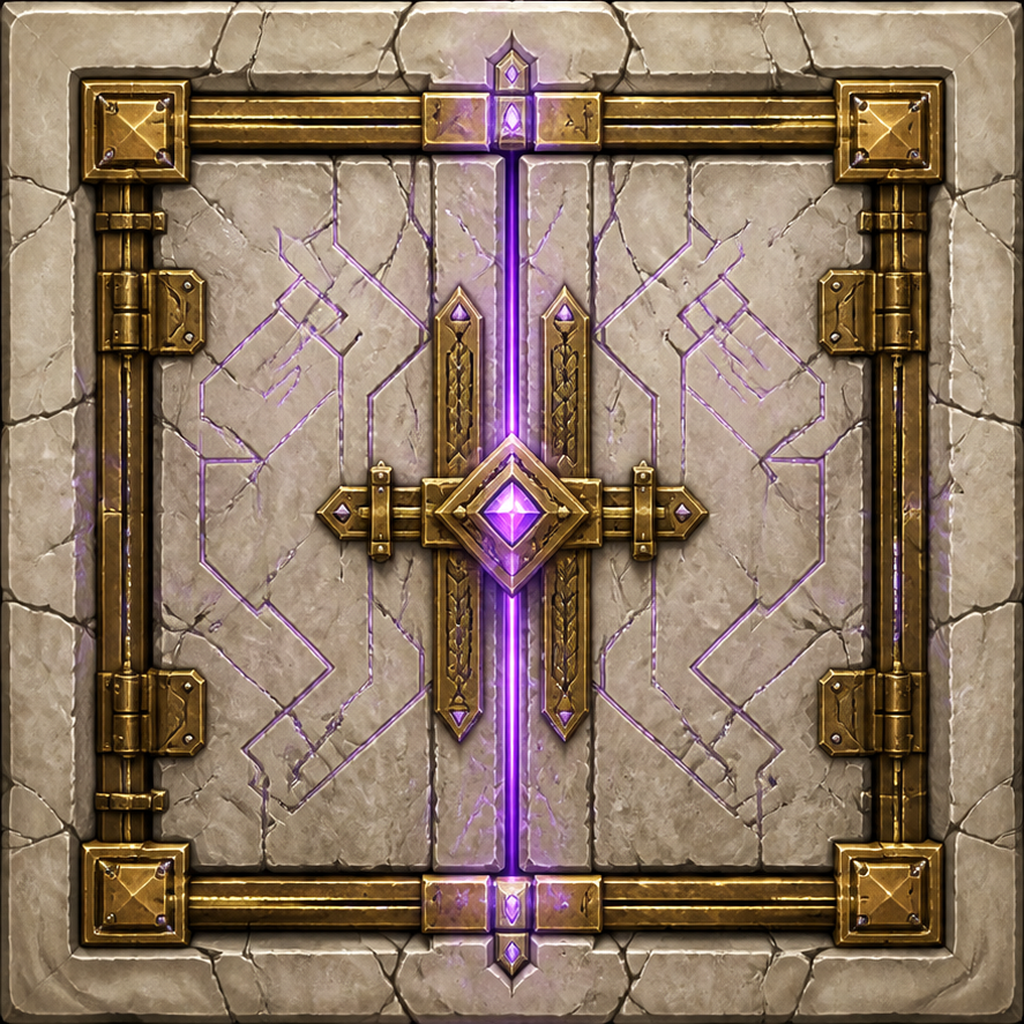
Pressure plates and doors turn a room into a state machine that reacts to placement and order.

Layer 4

Resource spending

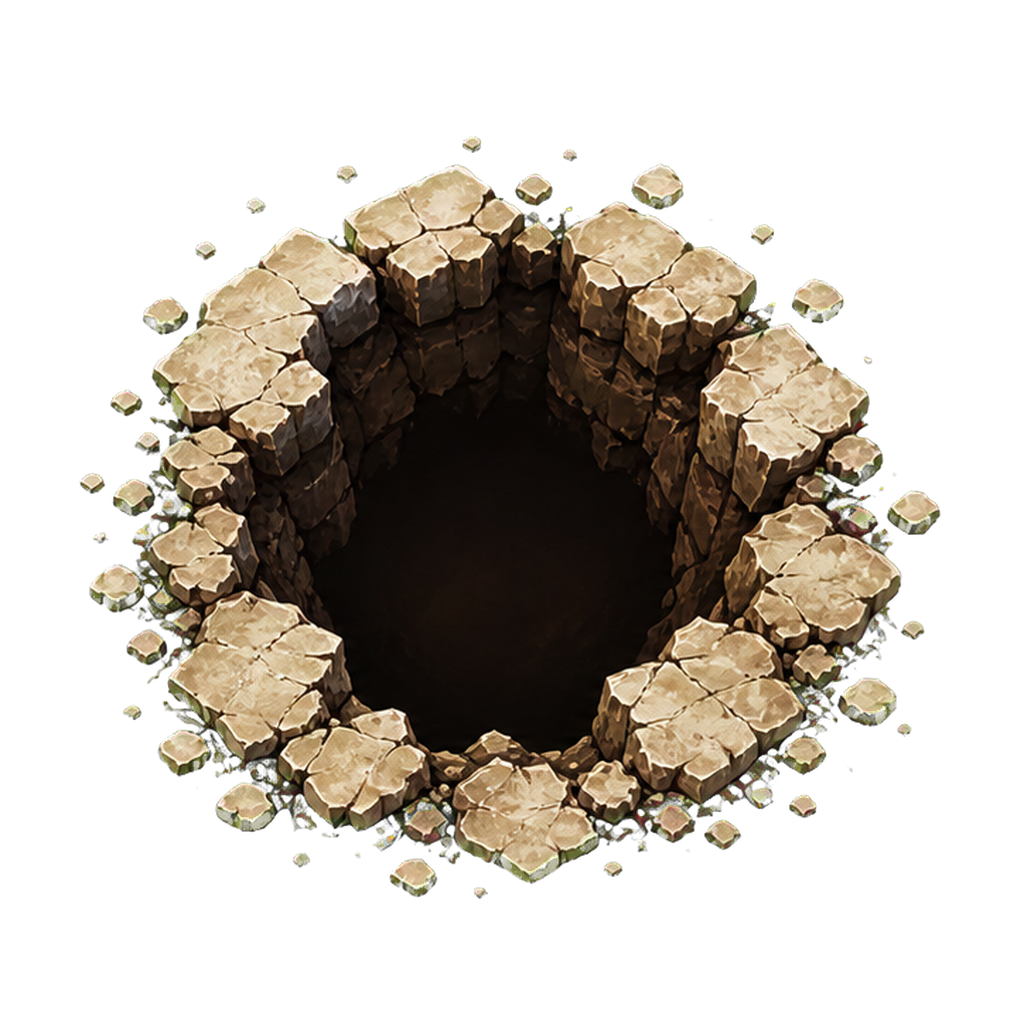
Holes can consume crates, while hole jump chambers ask the player to spend resources with foresight.

Layer 5

Trap readability

Fragile floors and spikes add visible punishment that stays legible instead of hidden.

Campaign Shape

Five worlds teach the rules by changing what the player must fear.

World 1

Calibration

Movement, exit logic, first push, ordering, and the value of undo.

10 chambers

World 2

Flux Gates

Pressure plates and doors teach chamber state management.

10 chambers

World 3

Deep Lab

Boxes become consumable resources through holes and jump setups.

10 chambers

World 4

Classified

Fragile floors, spikes, and one-use lanes increase trap readability pressure.

10 chambers

World 5

Blacksite

The final world combines earlier systems into two- and three-layer logic.

10 chambers

Current Build

PushGrid already has progression, persistence, and the rules needed to prove itself.

Level unlock flow, completion tracking, resume last played, and local save are already part of progression.
Current mechanics include movement, box pushing, goal and exit logic, pressure plates, doors, holes, hole jump, fragile floors, and spikes.
World palettes stay abstract and minimalist, using color-coded square boards and readable world accents instead of art-heavy clutter.

Next Step

Want to follow or support the first PushGrid signal?

Chronotus is looking for thoughtful publishing, platform, and production conversations that value readable systems over empty hype.

Contact Chronotus