Game Profile
PushGrid
PushGrid is a portrait, mobile-first puzzle prototype by Chronotus. Place the boxes, open the exit, and avoid locking your own route with one bad swipe.
Overview
A puzzle prototype built around readable room state.
PushGrid is Chronotus' first game and current public-facing prototype: a single-player, chamber-based grid puzzle built for portrait mobile play. The pressure comes from reading state cleanly, committing to the right swipe, and living with the consequences when a move collapses your route. Boxes, goals, pressure plates, doors, holes, fragile floors, and spikes all serve the same principle: the room should communicate clearly before it punishes hard.
Build Reality
Prototype first. Honest framing.
PushGrid should be framed as an in-development mobile puzzle prototype, not a finished premium release.
The current repo points to runtime-generated prototype presentation rather than a final production art or audio package.
The campaign scope is currently set at 5 worlds and 50 handcrafted chambers.
Unity 6, URP, the Input System, runtime UI generation, validation tooling, and a custom authoring tool already back the project.
Core Loop
Short rooms. High commitment. Clean recovery.
01
Read the board
Scan goals, hazards, doors, and the exit before committing to motion.
02
Commit the swipe
Move crates in the right order, from the right face, along the right route.
03
Open the exit
Fill every goal, satisfy the chamber state, and unlock the way out.
04
Recover cleanly
Undo, reset, or route around the mistake when the room punishes a bad read.
Design Rules
Readable cause-and-effect, then layered punishment.
Five worlds teach the grammar in layers: movement and order, stateful gates, resource spending, trap readability, then combined logic under pressure.
System 1
Movement and box push
The base grammar is simple: read space, push with intent, and preserve your own route.
System 2
Goal and exit logic
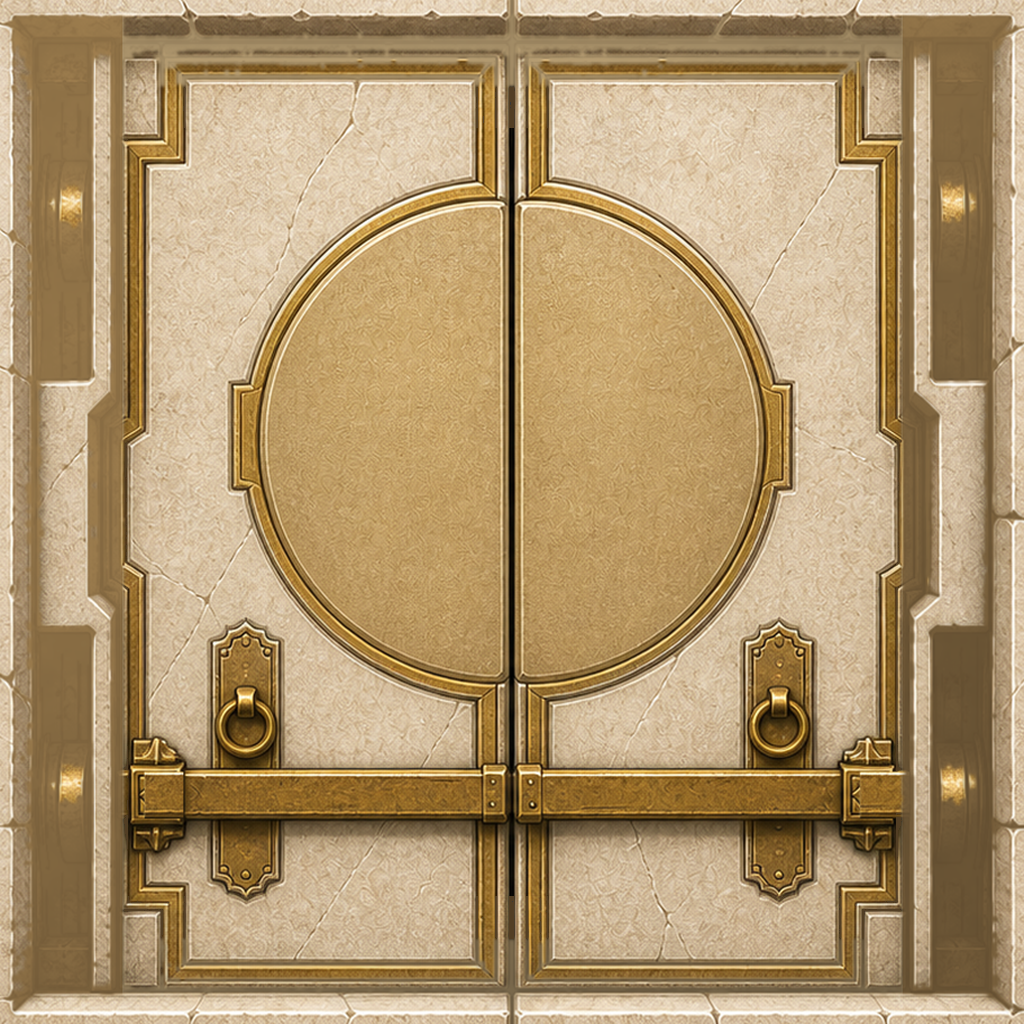
Goals and exits create the fundamental chamber objective and the final release condition.
System 3
Stateful gates
Pressure plates and doors turn a room into a state machine that reacts to placement and order.
System 4
Resource spending
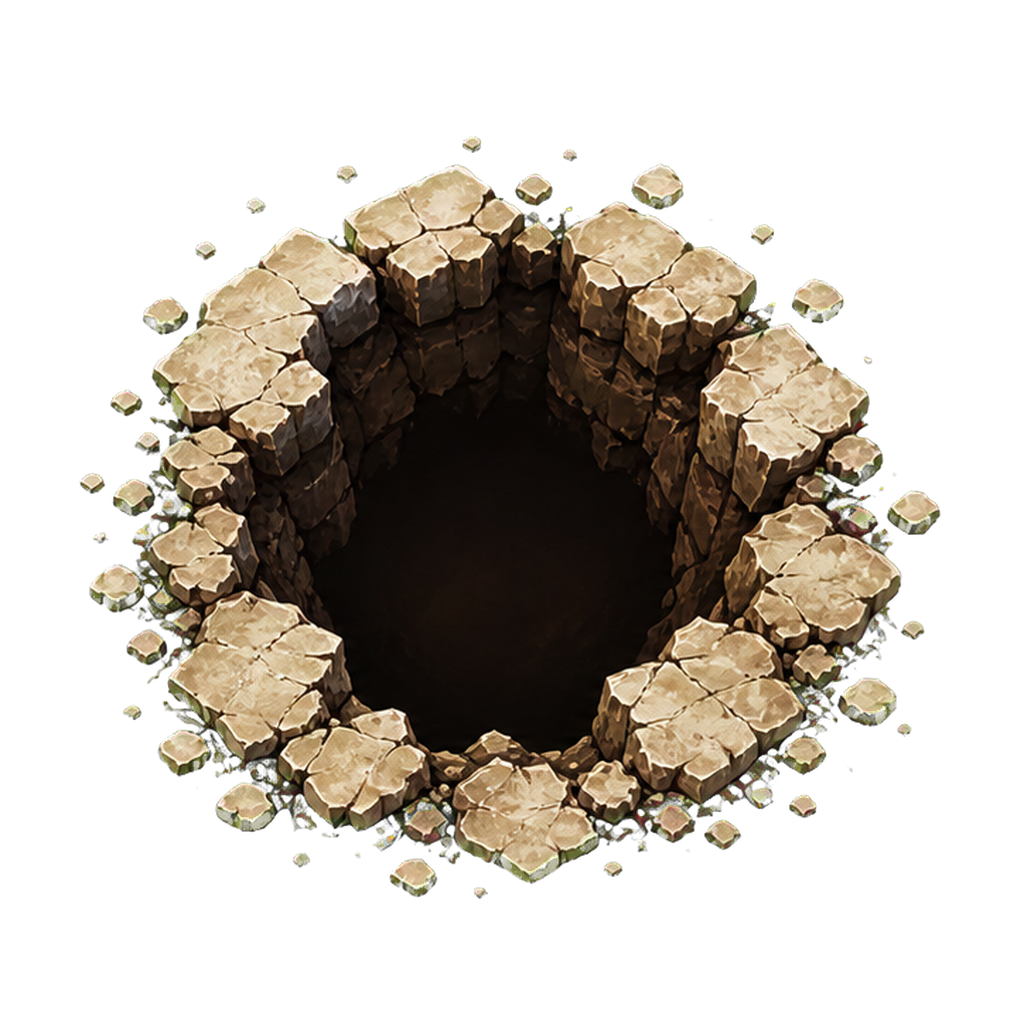
Holes can consume crates, while hole jump chambers ask the player to spend resources with foresight.
System 5
Trap readability
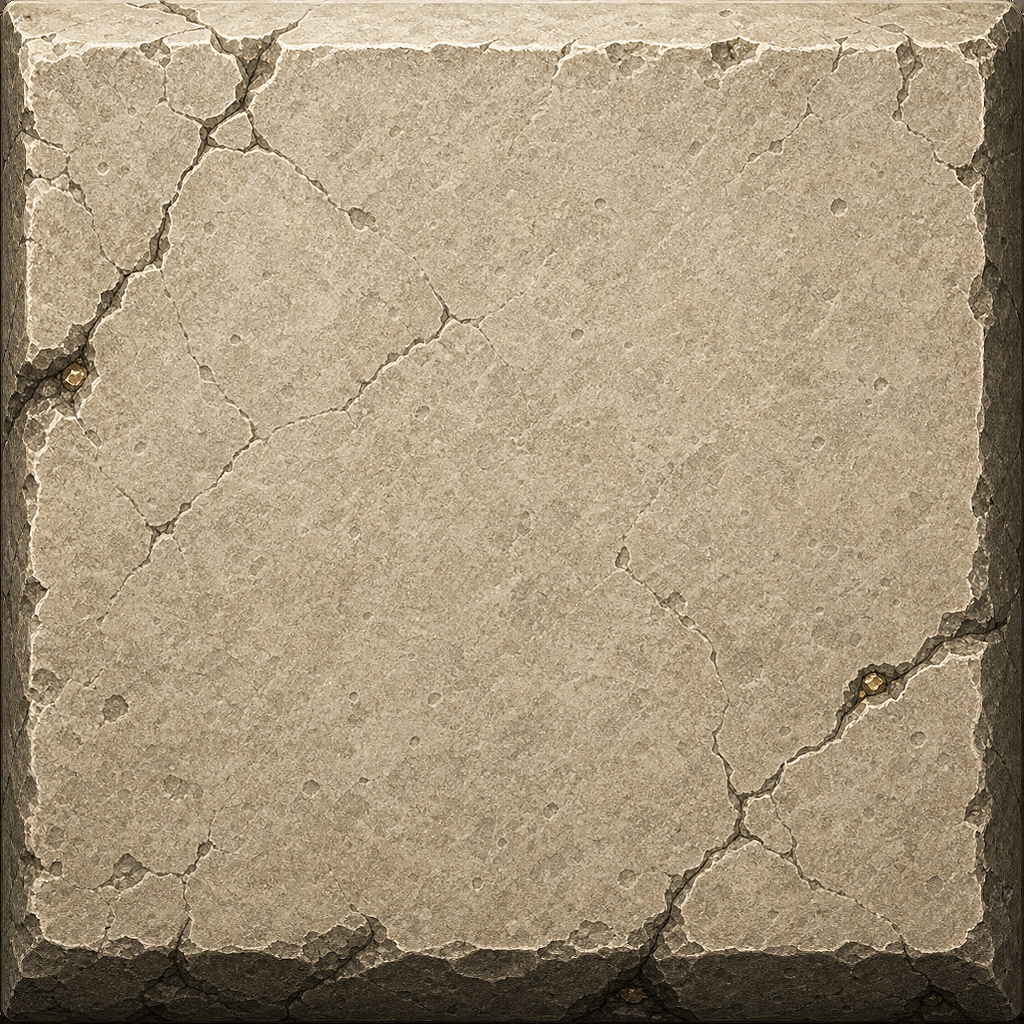
Fragile floors and spikes add visible punishment that stays legible instead of hidden.
Campaign Scope
Five worlds, fifty chambers, each teaching a different fear.
World 1
Calibration
Movement, exit logic, first push, ordering, and the value of undo.
Chambers
Quiet Exit, Open Circuit, First Push, Dual Lanes, Narrow Sense, Bad Order, Undo Window, Around the Box, Long Return, Foundations Exam
World 2
Flux Gates
Pressure plates and doors teach chamber state management.
Chambers
Live Wire, One-Way Gate, Hold and Step, Weighted Plate, Two Keys, Long Trigger, Passing Order, Gate Management, Dual Circuit, Doors Exam
World 3
Deep Lab
Boxes become consumable resources through holes and jump setups.
Chambers
First Bridge, After the Fill, Wrong Box, Open the Passage, Clean Jump, No Return, Tight Angle, Two Gaps, Resource Audit, Space Exam
World 4
Classified
Fragile floors, spikes, and one-use lanes increase trap readability pressure.
Chambers
Thin Ice, Red Tile, Safe Lane, One Use, Burn the Crate, Closing Room, Sharp Cracks, Trap Thread, Trap Capstone, Logic Under Pressure
World 5
Blacksite
The final world combines earlier systems into two- and three-layer logic.
Chambers
Gentle Merge, Gate Before Gap, Brittle Bridge, Safe Timing, Triad Intro, Long Logic, Mirror Chamber, Final Weave, Controlled Burn, Last Assembly
Progression
The prototype already supports persistence, replay, and return visits.
Availability
Public profile live. Store flow still offline.
No release date, store page, soundtrack promise, or cinematic launch framing is shown yet. The honest pitch is a focused prototype with a strong ruleset and active iteration.